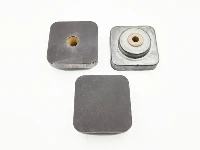
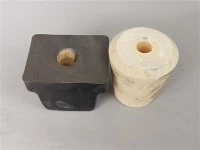
Zirconia Nozzle Insert: Reduce Blocking Risks During Casting
Nov 25, 2026
Nozzle blockage is a recurring headache in continuous casting. Alumina and other high-melting inclusions stick to the bore wall, narrow the flow path, mess up casting speed and force unplanned stops. For aluminium-killed steel and long sequence casting, the zirconia nozzle insert is widely used to ease this issue.
Zirconia has stable chemical performance and low wettability against molten steel. A dense, smooth inner surface makes it harder for inclusions to attach and build up. Properly stabilized zirconia also reacts less with steel and slag compared with traditional alumina-graphite materials. Some grades can turn deposited alumina into low-melting phases that get washed away by flowing steel.
Even the best insert cannot fully stop clogging on its own. Blocking still comes from poor preheating, unstable steel temperature, heavy secondary oxidation, rough bore finish or wrong material selection. Cracks and porosity on the insert surface will create anchor points for deposits.
To get reliable anti-blocking results, match the zirconia grade to your steel type. Keep consistent preheating and molten steel superheat. Maintain good steel deoxidation and avoid air re-oxidation. Where the setup allows, use argon purging to form a protective gas layer along the inner wall.
Regular inspection also helps. Watch for slow flow rate shifts and uneven stream shape. Replace or service the insert before deposits grow large enough to interrupt production.
When chosen and operated correctly, zirconia nozzle inserts cut clogging frequency, keep steady steel flow and support longer continuous casting runs.