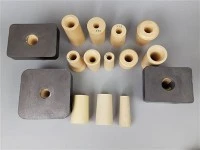
How to reduce slag corrosion on zirconia sliding gate plate surface
Nov 18, 2026
Slag corrosion is the main reason why zirconia sliding gate plates fail. At high temperature, molten slag seeps into tiny holes on the plate surface and reacts with the material. This makes the plate loose, causes peeling, and shortens its service life. Based on our long-term field experience with continuous casting refractories, Changtai shares practical ways from material making, surface treatment, casting operation and process management.
1. Improve raw materials and internal structure
Use partially stabilized zirconia (PSZ) instead of traditional zircon mullite materials. Cut free silica to reduce low-melting substances formed when touching slag. Add compound additives such as aluminum, silicon, boron carbide and titanium powder. These additives form a tight ceramic layer under high heat, slow down slag penetration and block the infiltration paths. Strictly control sintering to get high density and low porosity, so slag cannot easily wet and go inside the plate.
2. Add anti-slag coating or use gradient layered structure
Spray special zirconia coating on the sliding surface and inner hole. This coating is not easy to be wetted by molten slag, which stops slag from direct chemical attack. We also use gradient composite structure: dense high-purity zirconia on the sliding working surface, matched with alumina-zirconia-carbon base body. It balances slag resistance, thermal shock resistance and cost, and strengthens the most worn sliding contact area.
3. Prevent ladle slag from flowing into the gate during casting
Install slag detector, slag dart or gas curtain slag stopper to block ladle slag at the end of casting. Slag carry-over at late casting causes most surface corrosion. Keep stable opening of the sliding gate to reduce turbulent steel flow and local slag vortex washing. Adjust molten steel and slag composition properly, lower FeO, MnO and fluoride in slag, which easily trigger interfacial reaction and material damage.
4. Follow standard preheating, assembly and clamping rules
Warm up the plate slowly and evenly to 800–1000℃ before use. Fast heating creates fine thermal cracks, which become fast channels for slag to seep in. Keep good flatness on sliding faces and stable hydraulic clamping pressure. Uneven pressure leaves gaps between upper and lower plates. Slag will squeeze into these gaps and lead to local corrosion and sticking. Check flatness and sealing before every heat.
5. Standardize operation and on-site cleaning
Avoid frequent fast opening and closing, which scratches the protective surface layer. Clear leftover slag and steel from the sliding surface after casting. If left, slag will sinter and stick hard on the plate. Check wear condition regularly. Replace plates timely once you see pitting or slag penetration marks, to stop corrosion from spreading into the whole plate.
Reducing slag corrosion needs combined control of material quality, surface protection and steelmaking process. Changtai supplies customized zirconia sliding gate plates and technical service for different steel grades and slag conditions. We help steel mills cut refractory cost, lower breakout risk and keep stable continuous casting.